A Neuroscientist’s Perspective on Obesity
23 March 2026

23 March 2026
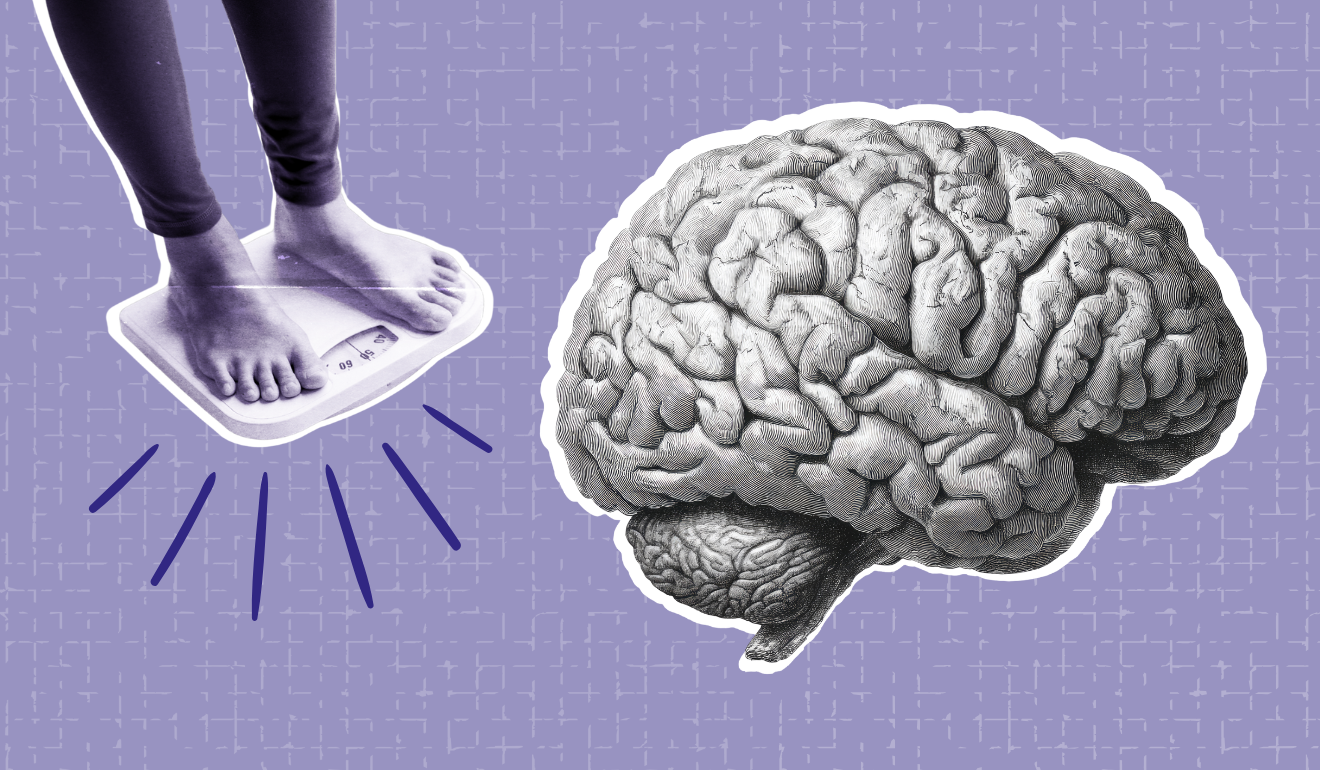
Han Jiao is a PhD student at the Netherlands Institute for Neuroscience who studied the impact of obesity on the brain’s immune cells. Her work highlighted the role of these cells in obesity and identified potential targets to help correct their dysfunction. Altogether, her work offers promising directions for improving metabolic health in obese individuals.
Han Jiao started her PhD during the corona pandemic, when people were confined to their homes, moving less, and eating more. Around the same time, the EU released the latest statistics about another epidemic: over 50% of adults were overweight and 16.7% obese. These numbers have only risen since.
“People often talk about the health risks associated with obesity, but much less attention is paid to its effects on the brain”, Jiao explains. She shows a video of a cell reaching out, grabbing, and consuming nearby waste. “These are microglia, the immune cells of the brain. They monitor the local environment, clean up waste, maintain healthy tissue, and communicate with other brain cells”.
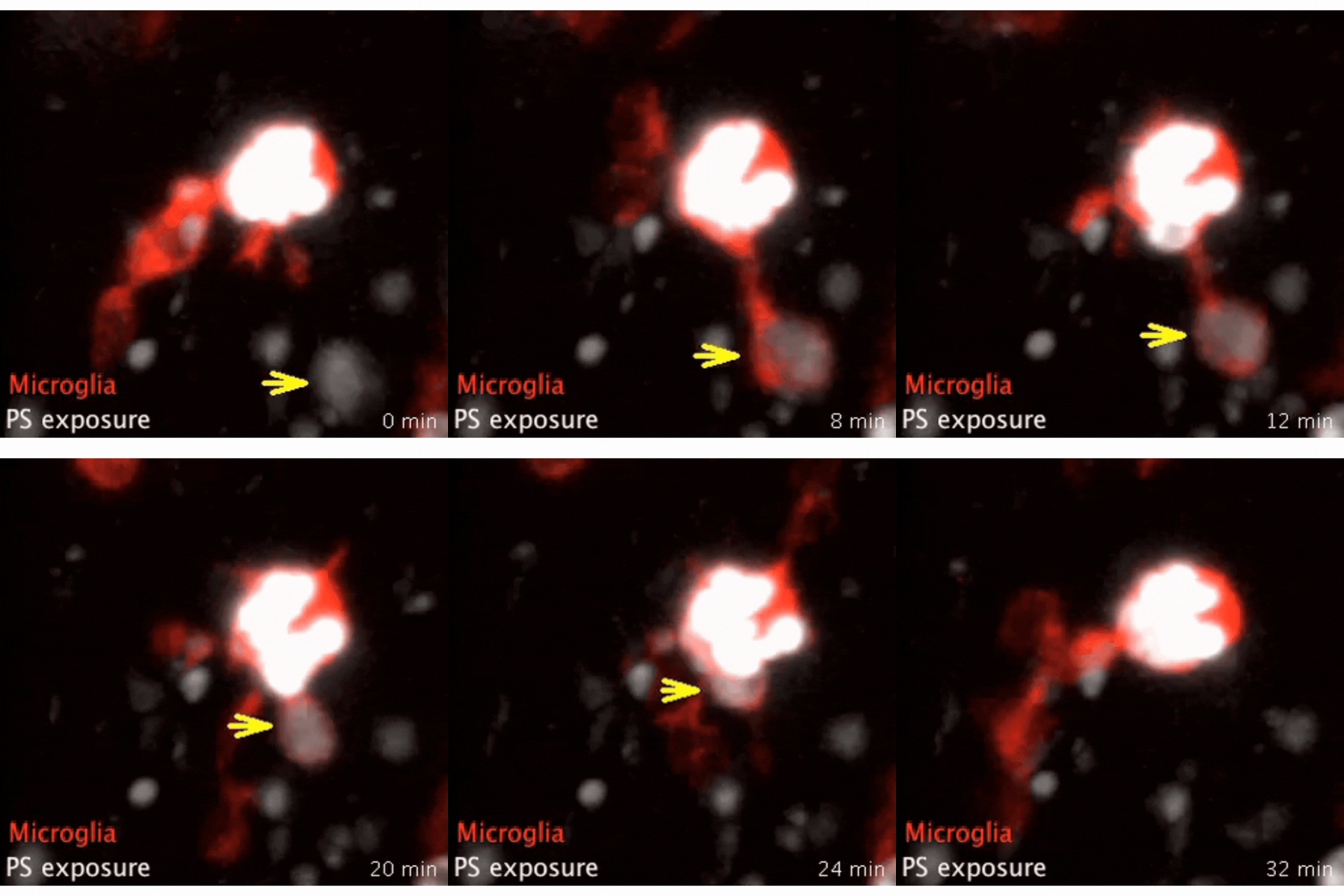
Mazaheri, F. et al. Nat Commun 5, 4046 (2014).
Microglia are often associated with diseases such as Alzheimer’s Disease and Parkinson’s, but they are also dysregulated in obesity. “We know that microglia are sensitive to eating behaviour. If we give mice just one day of McDonalds-equivalent meals, we can already see the microglia working harder to perform their daily tasks”.
In obesity, fat is often stored in the wrong places, including in the brain. Microglia can also accumulate lipids, which may make them less able to carry out their normal tasks.
Initially, Jiao wanted to understand how the microglia are impacted by behavioural interventions. “While there are surgeries to help people lose weight, they are very invasive. Therefore, we wanted to understand how the microglia are impacted by lifestyle changes such as time-restricted eating”.
A simple, yet frequently overlooked restriction is the moment we choose to eat. “Almost everything in your body has a daily rhythm, your microglia as well”, Jiao explains. She conducted a simple experiment in rats: one group could access food at all times, another group could only access food during their usual sleeping time (day), and the last group could only access food during their usual wake time (night).
Jiao found a clear winner: the rats’ microglia were healthier when they ate strictly according to their natural rhythm, i.e. at night. This group also had lower body fat even when eating a high-fat diet. “So try not to snack late at night. Even if it’s a healthy snack, it’s healthier to eat it during the day.” she adds.
Unfortunately, timing couldn’t completely undo all the harmful changes. So Jiao worked on a way to target the microglia directly. In that process, she identified a protein that played an important role in their dysfunction: PPAR-delta. By injecting a special nano-particle loaded with a PPAR-delta agonist into the rat hypothalamus, she found a way to activate PPAR-delta in the microglia.
After just ten days, Jiao noticed significant differences. The rats showed better overall health and were more sensitive to insulin. “Ten days was not enough to notice any weight changes”, she adds. “But if, in the future, we have a less invasive technique to target microglia, I think we can really reduce their body weight and reduce their body fat”.
Jiao’s work is promising. This is confirmed by the fact that her research group has already received funding for follow-up research. “Obesity is not a choice. It is important that we treat it as such as well”, Jiao explains. “We’ve seen these remarkable changes in the microglia of obese rats, but now we need to investigate whether they act the same in humans”, she explains. This will require tissue from the Netherlands Brain Bank. “How will human microglia react after this manipulation?”, she concludes.
Han Jiao: Microglia Immunometabolism in Obesity. Supervisors: Andries Kalsbeek and Chun-Xia Yi. The defence will take place on Monday 23 March 2026 at 16:00 in the Agnietenkapel, Oudezijds Voorburgwal 229–231, 1012 EZ Amsterdam.
The Friends Foundation facilitates groundbreaking brain research. You can help us with that.
Support our work