Winners Brain Award 2025
12 December 2025

12 December 2025
On the 12th of December the annual Brain Award ceremony took place. This year, three postdocs at the Netherlands Institute for Neuroscience were awarded a first prize and two special distinctions in clinical relevance and open science.
The institute has been awarding Brain Awards annually since 2015. These prizes are meant for PhD students and postdocs who are conducting exceptional research. The awards shine a special light on our researcher and show our appreciation for their effort and dedication.
There are three prizes: one first prize and two special distinctions. This year, the special distinctions were awarded to research with clinical relevance and open science. The first prize is awarded based on a publication that, among other reasons, excels in scientific quality, collaboration and innovative methods.
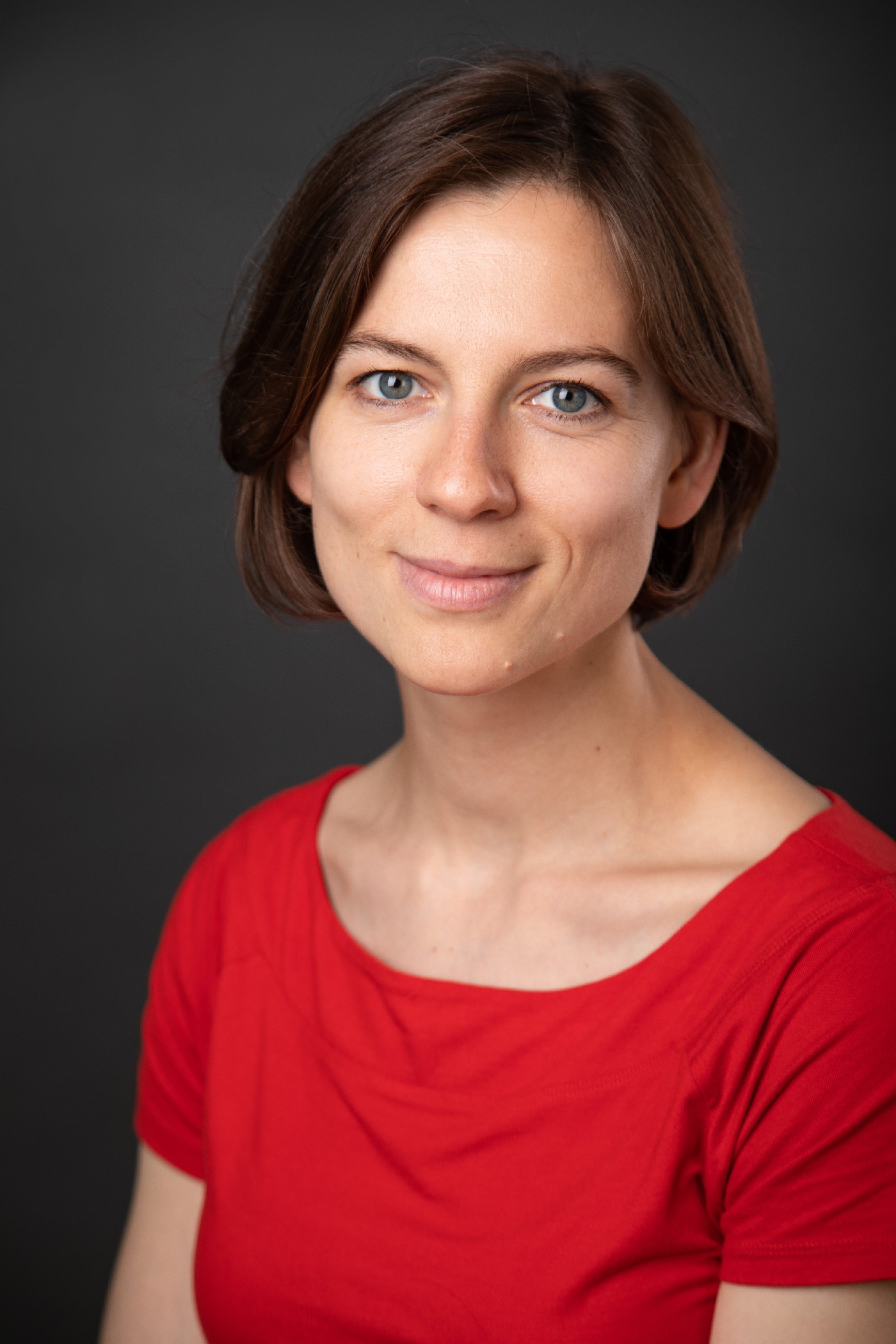 Rasa Gulbinaite is receiving the first prize for her publication entitled ‘Spatiotemporal resonance in mouse primary visual cortex’ published in the scientific journal Current Biology.
For over 200 years, scientists have wondered why flickering lights can create vivid visual hallucinations. The research of Rasa Gulbinaite and her team have now shown that this happens because flickering light creates standing waves of activity in the brain’s visual cortex.
Using advanced imaging in mice, they found that faster flickering creates more organised brain waves. These waves match the intricate patterns people often report seeing. This research is the first to show directly how rhythmic light can shape our perception, offering new insight into how the brain processes visual information and altered states of consciousness.
The jury commended Gulbinaie for her innovative approach to the age-old question about how brain activity is stimulated by seeing flashing lights. Her research also explored the question using multiple new methods, which strengthened the originality of the study.
Click here to read the press release about this study
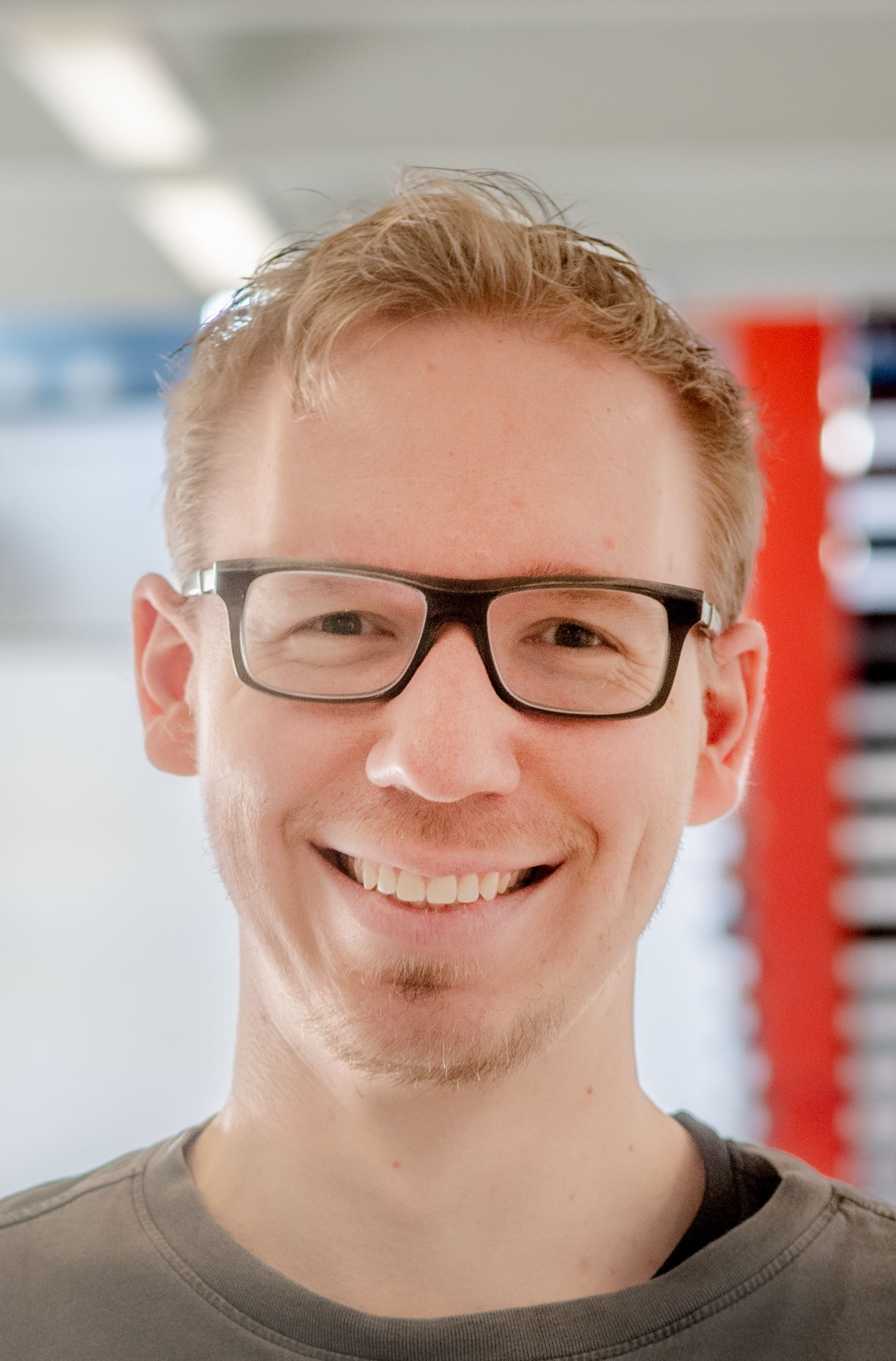
Copyrights © RUB, Marquard
Julian Packheiser is awarded an special distinction for the clinical relevance of his publication ‘A systematic review and multivariate meta-analysis of the physical and mental health benefits of touch interventions’ published in Nature Human Behaviour.
Packheiser’s research focused on the impact of voluntary touch and how it may improve our physical and mental wellbeing. Together with his colleagues, he conducted a large-scale analysis on earlier publications investigating the topic. His results showed that touch has the ability to reduce pain, anxiety, depression, and stress.
One important finding was that touch is particularly effective for young infants when they are touched by one of their parents. This offers effective and easily applicable means of support for healthy infants.
The jury praised Packheiser for his originality and stated that his findings weren’t only innovative, but also directly applicable in clinical practice. Another important strength was the broad impact on different target groups.
Click here to read the press release about this study
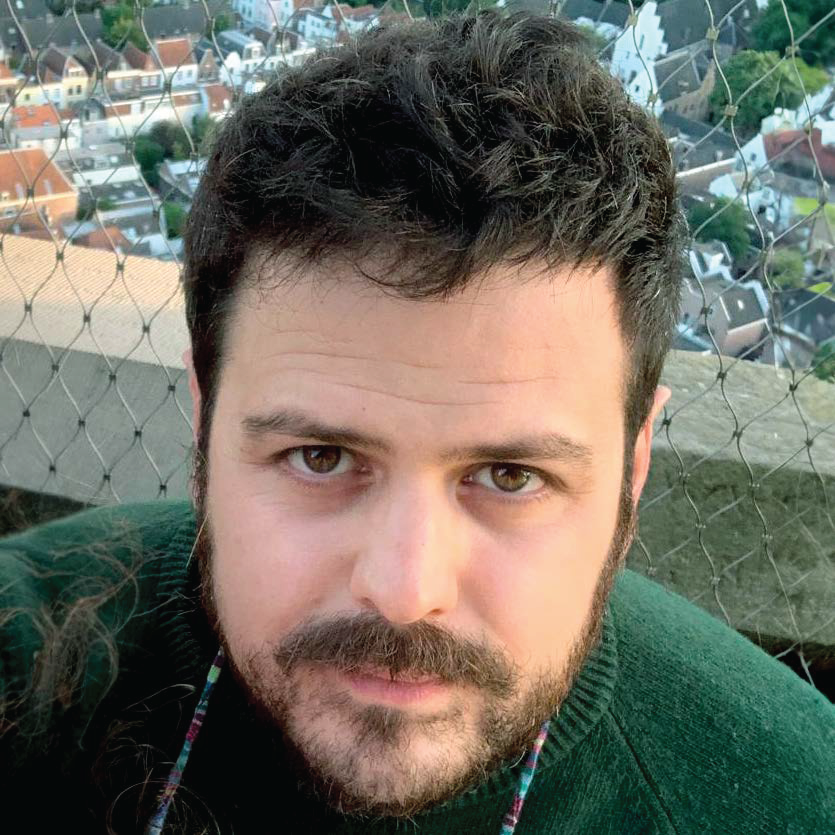 Paolo Papale received a special distinction for his article ‘An extensive dataset of spiking activity to reveal the syntax of the ventral stream’ which was published in Neuron.
Paolo’s research introduces the THINGS dataset, which offers publicly available data about how neurons in the visual cortex of macaques respond to over 25.000 natural images. To achieve this, Paolo and his colleagues analysed neuronal activity in three brain regions considered to be essential for processing visual information.
This dataset gives other researchers the opportunity to explore theories surrounding the mechanisms of natural vision. It also offers other researchers the ability to compare the neural activity of macaques to human neuroimaging data. This opens new, meaningful avenues for future research, including the ability to train AI-models.
The jury considers Papale’s research as exceptionally valuable, with a wide range of applications within the field of visual neurosciences. They stressed that the dataset offers a powerful tool for the comparison between macaques and humans. The dataset also offers new opportunities for future breakthroughs, by facilitating new analyses and model studies.
The Friends Foundation facilitates groundbreaking brain research. You can help us with that.
Support our work