


Netherlands Institute for Neuroscience
The Netherlands Institute for Neuroscience conducts fundamental scientific research in the field of neuroscience.
Latest news

Not all Alzheimer’s leads to dementia

How the brain’s ‘choreographers’ respond to inflammation
Highlights

What's going on
Agenda

8 May 2026
Read more about Eus van Someren
Eus van Someren
22 May 2026
Read more about Prof. Olivier Marre
Prof. Olivier Marre
Publications
Vacancies
Internships
About the brain
Subscribe to our newsletter from the Netherlands Institute for Neuroscience
Every month we send a newsletter with the latest updates about the institute, the Friends Foundation and interesting articles about brain research.
"*" indicates required fields
The brain bank
Finding causes and solutions for neurological and psychiatric brain diseases. That is the goal of the Dutch Brain Bank.

Contact
Netherlands Institute for Neuroscience
Meibergdreef 47
1105 BA Amsterdam
"*" indicates required fields
Vacancies/Internships
We do not handle any open vacancies or internships. Please visit our vacancies page or internships page for an overview of all current openings. Follow us on LinkedIn to stay updated.
Communication and press
Eline Feenstra
Charlotte Daemen
Administration
Friends Foundation
Press? Stay tuned and sign up for our press list.
Brain mechanisms underlying mental functions and psychiatric symptoms

In the field of psychiatry, diagnosis, treatment, and research strongly rely on self-reports and behavioral observations. While these approaches are invaluable, there are ongoing endeavors to integrate neuroscientific knowledge to address the complexities of mental illness. By connecting psychiatry research more closely with neuroscience, we can explore new opportunities to leverage recent advances that uncover the brain mechanisms underlying mental functions and psychiatric symptoms.
For this reason, the Netherlands Institute for Neuroscience (NIN) is keen to link its work in circuits neuroscience with relevant research within psychiatry. The NIN is prepared to invest in collaborative projects with the potential to help transform how we understand, diagnose, and treat mental disorders. In consultation with psychiatry researchers from AUMC, the NIN has initiated a program to support 2-3 new research projects, preferentially for PhD candidates holding an MD degree alongside psychiatrists in training (see “Research projects” for more information).
Main objectives
- Better understand the biological causes or predispositions of psychiatric symptoms and develop new approaches for therapies targeting these symptoms.
- Encourage young psychiatrists to become trained in fundamental brain research, and fundamental neuroscience researchers to become trained in psychiatry research.
- Strengthen the interaction between the NIN and psychiatry, and attract more psychiatrists to the NIN.
Connecting neuroscientists with psychiatry researchers
To develop these projects, the NIN plans to organize 1-day meetings between NIN scientists and psychiatry researchers focusing on specific psychiatric disorders or symptoms. The goal of these meetings is to identify common ground and foster partnerships between psychiatry researchers in the Netherlands and NIN group leaders to co-develop joint proposals. These proposals will be reviewed by international experts in the field and 3-4 projects will be (co) funded by the NIN if selected. The NIN hopes that these projects will not only lead to new insights but also enhance the training of young psychiatrists in neuroscience.
Ongoing psychiatry research at the NIN
Several collaborations between NIN scientists and psychiatrists are already underway, including cross-species research on OCD and the mechanisms of deep brain stimulation, studies on the interaction between psychiatric symptoms and sleep disorders and research on molecular and cellular changes in post-mortem brain tissue from individuals with psychiatric symptoms.
Other NIN research areas also hold significant relevance for psychiatry, including investigations into innate fear, dreaming, hallucinations, predictive coding, social interactions, and neurodevelopment. These studies employ advanced techniques such as single-cell and in situ RNA sequencing, high-count neural recordings, optogenetics, chemogenetics, two-photon microscopy, high-density EEG, and high-field fMRI.
Expressing your interest to participate
The links below are password protected – please contact psychiatry@nin.knaw.nl to gain access
More information about ongoing research at the NIN, potential connections to psychiatry, and experimental approaches can be found on via this link. If you are a psychiatrist or psychiatry researcher who supervises research projects and interested in participating in this program, please express your interest in possible collaborations by filling out the form in this link before July 1st with a brief description of your research goals, interests, and expertise, along with any NIN scientists you may be interested in collaborating with.
We look forward to building new collaborations at the intersection of neuroscience and psychiatry!
Timeline
- Until July 8th: express interest in possible collaboration
- September-November: 1-day focused meetings
- December: Call for research proposals
- 2 March 2026: Deadline submission research proposals
- May 2026: Announcement of selected proposals
If you have questions about the program, please send an email to psychiatry@nin.knaw.nl
*Some links are password protected – please contact psychiatry@nin.knaw.nl to gain access
Sensory experience in dreaming
Become a research participant
The Sleep and Dreams lab invites you to participate in their study on sensory experiences in dreams
What does it involve?
- 3 overnight visits to the Sleep lab
- €80 compensation per visit
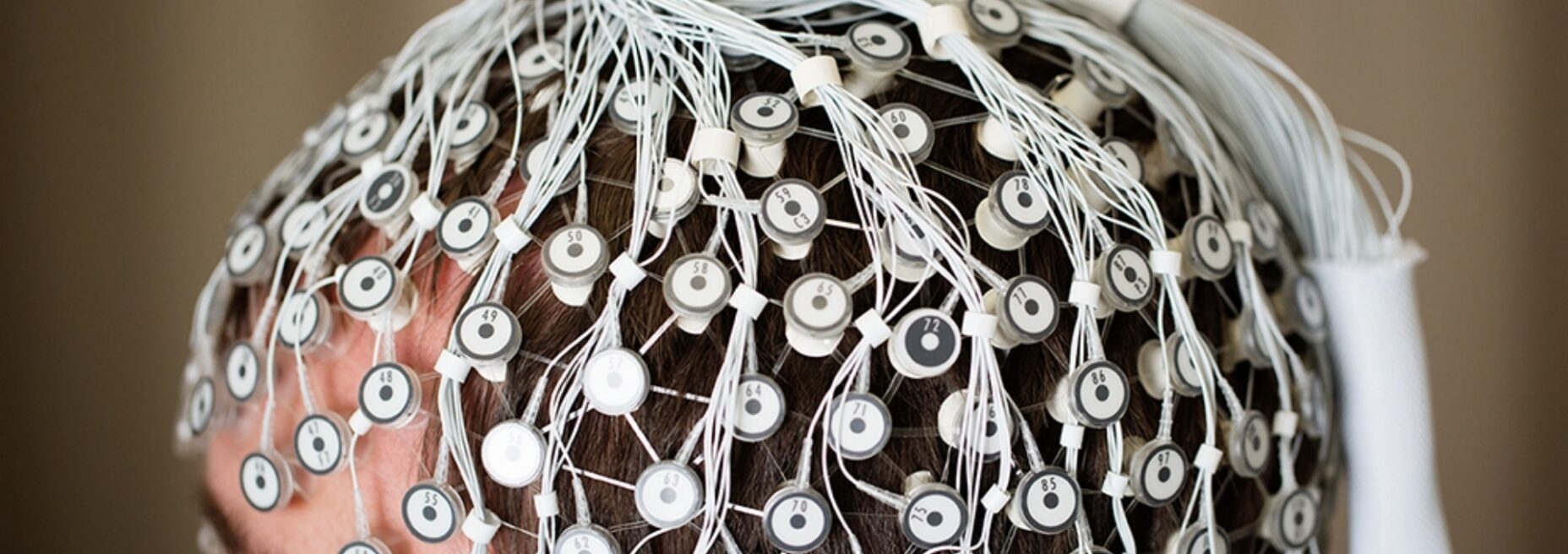
- Harmless, non-invasive measurement of brain signals before, during, and after sleep (EEG)
Visit 1: Sensory stimulation (light, sound, touch) before and during sleep
Visit 2 and 3: You will be woken up occasionally throughout the night and asked to complete a dream report after each awakening.
Participant requirements
- Age 18-55 years
- Good sleep quality (regular sleep-wake patterns and at least 7 hour of sleep per night)
- No history of sleep, psychiatric, hearing, or neurological disorders
For questions, feel free to email dreamlab-info@nin.knaw.nl
Or
Support our work!
The Friends Foundation facilitates groundbreaking brain research. You can help us with that.
Support our work